

Ripple’s Liquidity Dilemma: Can XRP Survive Without Speculation?
Picture This…
Imagine a bustling marketplace in the heart of the city. Stalls are packed with exotic goods, buyers are haggling, and money is changing hands faster than you can say “supply and demand.” Now imagine that same market, but this time, it’s eerily quiet. Stalls are abandoned, buyers are scarce, and the flow of money has slowed to a trickle. It’s clear—the marketplace is dying.
For XRP, this isn’t just a metaphor; it’s a real concern. As a cryptocurrency designed to facilitate global transactions, XRP relies heavily on one critical ingredient: liquidity. Without it, XRP’s dream of becoming the backbone of cross-border payments could turn into a nightmare.
But here’s the twist: much of XRP’s liquidity comes not from banks or businesses, but from speculators—traders who buy and sell XRP, often with no intention of using it for its intended purpose. So, what happens if the hype dies down? Can XRP survive without speculation, or would it enter a dangerous liquidity death spiral?
Let’s unpack Ripple’s liquidity dilemma and see if XRP has what it takes to thrive in a world beyond speculation.
Why Liquidity Matters for XRP
Liquidity—the ease with which an asset can be bought or sold without significantly affecting its price—is the lifeblood of XRP’s ecosystem. Here’s why:
- Instant Settlements: XRP is designed to act as a bridge currency, converting one fiat currency to another in seconds. This only works if there’s enough liquidity to execute trades quickly and at stable prices.
- Cost-Effectiveness: High liquidity ensures tighter spreads (the difference between buy and sell prices), reducing transaction costs for businesses and banks using XRP.
- Network Reliability: Without sufficient liquidity, Ripple’s On-Demand Liquidity (ODL) service—which leverages XRP for cross-border payments—could struggle to fulfill transactions during periods of market stress.
The Role of Speculators in XRP’s Ecosystem
Here’s the kicker: most of XRP’s liquidity doesn’t come from banks or payment providers—it comes from traders and speculators. These players provide the liquidity that keeps XRP’s markets moving. But their motivations are vastly different:
- Speculators: They buy and sell XRP hoping to profit from price swings. Their activity drives volume and liquidity, but it’s inherently unstable—driven by hype, market sentiment, and news cycles.
- Liquidity Providers: These are market makers who ensure there’s always someone to trade with, often using algorithms to maintain tight spreads. However, even they are influenced by speculative activity.
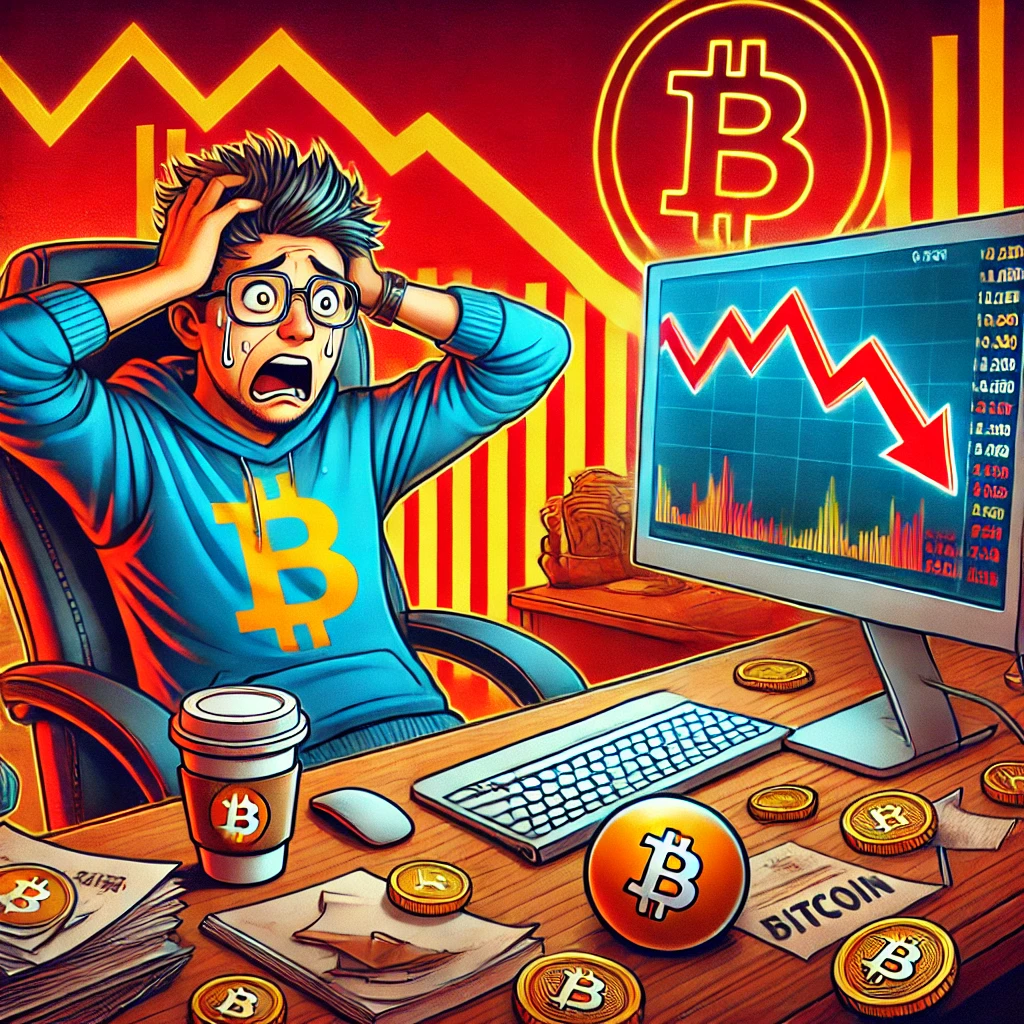
The problem? If speculative interest wanes—whether due to regulatory crackdowns, declining interest, or better alternatives—the liquidity they provide could evaporate. And that’s when things get dicey.
The Liquidity Death Spiral
What happens if XRP loses its speculative appeal? Enter the liquidity death spiral:
- Declining Speculation: Traders move on to the next big thing, reducing XRP’s trading volume.
- Lower Liquidity: As volume drops, spreads widen, and prices become more volatile.
- Higher Costs: Businesses and banks using XRP face higher transaction costs, making it less attractive for cross-border payments.
- Reduced Adoption: As XRP becomes less practical, adoption slows, further reducing liquidity. Rinse and repeat.
In this scenario, XRP could struggle to maintain its position as a viable bridge currency. But does that mean all hope is lost? Not quite.
Stablecoins, CBDCs, and the Competition
While XRP wrestles with its liquidity dilemma, alternatives like stablecoins and central bank digital currencies (CBDCs) are gaining ground:
- Stablecoins: Cryptocurrencies like USDC and USDT offer price stability, making them attractive for payments. However, they rely on centralized issuers, which limits their scalability for global adoption.
- CBDCs: Central bank digital currencies could become the ultimate cross-border payment solution, backed by governments and integrated into existing financial systems. But their rollout is slow, and global interoperability remains a challenge.
XRP’s advantage lies in its decentralized nature and established infrastructure, but it needs to maintain liquidity to stay competitive.
So, Can XRP Survive Without Speculation?
The short answer? It’s complicated. XRP’s reliance on speculative trading is both a blessing and a curse. While it fuels liquidity today, it leaves XRP vulnerable to market shifts and regulatory changes. For Ripple and XRP to thrive in the long run, they’ll need to attract more institutional users and liquidity providers who aren’t just in it for the hype.
Until then, the marketplace remains bustling—for now. But whether XRP can avoid the fate of an abandoned stall depends on its ability to sustain liquidity in a world beyond speculation.
What’s your take? Is XRP’s reliance on speculators sustainable, or does it need a new game plan? Let us know in the comments!



 Crypto CoinToss
Leave a comment